New York City is noisy, dense, and relentlessly busy. For a small business that means every square foot of rent counts, every customer impression matters, and every employee’s time is precious. I spent years managing a small retail showroom in Queens, where a morning spill became a public-relations problem within minutes and staff time meant the difference between a quick sale and a lost customer. Outsourcing cleaning to a professional commercial cleaning company stopped small issues from becoming big ones. It also freed the team to focus on the work that actually grows revenue.
Below I explain the practical reasons small businesses in NYC benefit from hiring specialist cleaners, what to look for in a provider, realistic costs and expectations, and how this choice can influence safety, compliance, and the customer experience.
Why this matters Cleanliness drives decisions. Customers notice dust on a shelf, scuffs in the foyer, or a bathroom that smells faintly of neglect. Employees react to workplace conditions with lower morale or higher absenteeism. For businesses that rely on repeat traffic, even small perceptions of uncleanliness erode trust. In a city where options are endless, the appearance and hygiene of your premises are part of your brand.
Immediate, measurable benefits A commercial cleaning company brings measurable gains that go beyond sweeping and mopping. First, cleaning professionals reduce liabilities. A well-maintained floor reduces slip-and-fall risk, documented cleaning schedules can support insurance claims, and proper sanitation reduces illnesses that otherwise cost staff sick days. Second, professional cleaning protects assets. Hardwood floors, upholstery, and HVAC filters all have lifespans; regular maintenance extends those lifespans and delays replacement costs. Finally, a predictable standard of cleanliness improves customer conversion rates. I saw it firsthand when a boutique store raised its net promoter score within three months of switching to a reliable cleaner, simply because customers lingered longer and commented on the inviting environment.
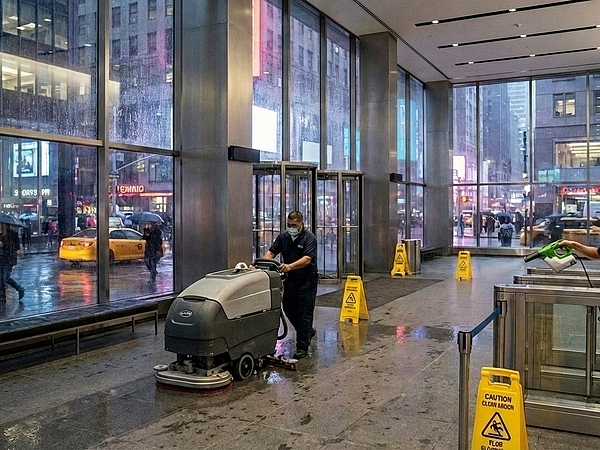
What a commercial cleaning company actually does Commercial cleaners operate differently from residential maids. They work to schedules that fit operating hours, use commercial-grade equipment and chemicals, and follow protocols for safety and compliance. Typical tasks include daily trash removal, floor care, high-touch surface disinfection, restroom sanitation, window and glass cleaning, and periodic deep-clean services like carpet shampooing or tile grout restoration.
A concrete example: a compact deli on Manhattan’s Upper West Side switched from an ad hoc cleaner to a weekly contract that included nightly floor scrubbing, twice-daily restroom checks, and weekly hood and vent cleaning. Within two months the owner saw fewer complaints, reduced staff overtime since employees stopped filling cleaning gaps, and a marginal increase in weekday lunch traffic because the place looked consistently fresh. Those are the kinds of operational improvements that add up.
Cost considerations and ROI Budget matters, especially for small operations. In NYC, a basic nightly cleaning contract for a 1,000 square foot retail or office space commonly ranges from roughly $300 to $700 per month, depending on frequency and services. Add-ons such as carpet cleaning, window washing, or hood/duct cleaning are charged separately. Expect gyms, restaurants, and medical offices to pay more because of specialized sanitation requirements and heavier wear.
Think of the fee as an investment rather than an expense. A clean restroom and uncluttered workspace directly contribute to customer retention and staff efficiency. One small service firm I worked with calculated that outsourcing cleaning saved two full-time equivalent hours per day in employees’ time. With those hours redirected to client work, revenue recovered the cleaning cost within four weeks.
Choosing the right firm Not all cleaning companies are equal. A hasty decision can lead to inconsistent service, hidden fees, or poor communication. From my experience, the right vendor shows professionalism from the first interaction. They ask for a walkthrough, propose a detailed checklist that matches your needs, and explain their supplies and equipment. Below is a short checklist to bring to a vendor meeting. Use it to compare proposals quickly and objectively.
Checklist for evaluating commercial cleaning companies in NYC
- ask for proof of insurance, including liability and workers compensation request at least two references from businesses of similar size and industry clarify scope of work with a written checklist and frequency schedule verify whether supplies and equipment are included or billed separately
Licensing, insurance, and safety Never skip verification of insurance and licensing. Workers compensation protects your business if a cleaner gets injured on site. General liability covers damage from cleaning activities, such as a broken light fixture or a chemical spill. If your business handles food or medical materials, ask about specialized certifications. Many reputable firms also provide safety data sheets for the cleaning products they use, which matters if your lease or local regulations limit certain chemicals.
Sanitation standards and public health Post-pandemic expectations changed the baseline for hygiene. Customers and employees now expect visible sanitation routines and quick responses to contamination events. A serious cleaning company will have protocols for high-touch disinfection, and they will demonstrate how those protocols match current public health guidance. For example, for a doctor's office or a physical therapy clinic, cleaners should use hospital-grade disinfectants and follow dwell times specified by manufacturers to ensure efficacy.
Trade-offs and edge cases There are trade-offs when outsourcing. You lose a tiny amount of direct control over how staff who occupy the space handle minor messes between visits. Some businesses need same-day or intensive deep cleans that require negotiation and additional fees. Another edge case is shared spaces in multi-tenant buildings, where responsibilities can be ambiguous. Confirm who will clean the lobby, elevator, or stairwells. Finally, night or early-morning cleaning schedules mean cleaners will be on site outside of business hours, which requires clear access and security arrangements.
Customized services for special industries Different verticals have distinct needs. A nail salon needs grease and polish stain removal combined with air quality considerations. A Manhattan bodega needs frequent waste pickup and pest-prevention coordination. Offices prioritize IT-friendly cleaning where technicians know how to handle monitors and keyboards, and that often means microfiber dusting and no spray directly on electronics. Restaurants require hood and vent cleaning, floor scrubbing for grease, and rigorous restroom maintenance.
A provider that understands your industry will propose a cleaning cadence and materials that match those needs. I once worked with a property management company that switched to a cleaner experienced with art galleries. The result was fewer incidents of cleaning-related damage to delicate frames and a more respectful approach to security and visitor flow during evening openings.
Communication, transparency, and service recovery A strong relationship with a commercial cleaner depends on communication. The best companies provide simple tools: a point-of-contact, a checklist that the crew signs, a logbook, and a quick way to report missed tasks. If something goes wrong, a prompt apology and a corrective plan matter more than a long warranty clause. One small tech startup had recurring issues until the vendor implemented a night-shift lead who sent a daily summary. Problems dropped almost immediately.
If your business is bound by hours, clarify arrival times, keys or building access, and whether cleaners will be supervised. Also inquire about staffing continuity. High turnover can mean crews with variable skill levels. A provider that cross-trains staff and maintains consistent supervisors generally delivers steady results.
Green cleaning and sustainability Sustainability is not just branding. For some clients, green cleaning reduces exposure to volatile organic compounds and improves indoor air quality. Many cleaning firms offer eco-friendly options, such as certified green products, HEPA-filter vacuums, and microfiber cloths that reduce the need for chemicals. These choices can be slightly more expensive, but for wellness-focused businesses, medical facilities, and boutique retailers they often align with brand values and customer expectations.
Contract terms and flexibility Contracts vary from month-to-month to annual agreements with termination clauses. If your lease is short or your traffic is seasonal, seek flexible terms. At minimum, get the following in writing: frequency of service, scope of work, price, how and when extra work is billed, and the notice period for terminating or changing the contract. A common pitfall is vague language about "spot cleaning" or "as needed" services that later become points of contention.
Onboarding: what good looks like A smooth onboarding process sets the tone. Expect an initial deep clean, followed by a clear schedule and a walkthrough with the vendor's supervisor. During the first month, monitor results closely and provide feedback. A quality firm will be responsive and adjust tactics without defensive pushback. If they push back, that is a red flag for inflexibility. Good vendors view onboarding as iterative.
Small business stories that illustrate impact A neighborhood gym in Brooklyn hired a dedicated cleaner after members complained about locker room odors and stained mats. The owner invested approximately $600 per month for nightly cleaning and weekly deep mat sanitization. Member complaints dropped sharply, and membership churn decreased by an estimated 4 percent over six months. For a gym with several hundred members, that was meaningful revenue retention.

A law firm in Midtown replaced its in-house janitor with a professional crew. The change freed the office manager to handle billing and client calls. The firm charged roughly $1,000 per month for nightly cleaning, and the office manager estimated saving 12 hours per week that she now spent on billable work. The math favored outsourcing quickly.
When to reconsider in-house cleaning In-house cleaning can be worthwhile for very small, tightly controlled operations or where employees are already cross-trained and there is little foot traffic. But even a small shop with steady customers often recovers the cost of outsourcing through saved staff time and improved customer perception. Reconsider in-house arrangements if turnover is high among cleaning staff, training is inconsistent, or you spend management hours on scheduling and supplies.
How to start the process this week Begin with a short audit of your space. Note high-traffic zones, restrooms, back-of-house storage, and any immediate problem areas. Request written proposals from three vendors, and use the checklist above during walkthroughs. Ask for references, insurance certificates, and an example checklist they will use on your site. Finally, negotiate a trial period of 30 to 90 days with a clear exit clause https://www.impeccablecleaningnyc.com/ if expectations are not met.
A quick word about branding and vendor names When requesting quotes, include the keyword cleaning services NYC if you need to search locally. If you see a name like Impeccable Cleaning NYC, evaluate them like any other vendor. Reputation matters, but so do verification steps: ask for references, request a walkthrough, and confirm insurance and supplies. A strong local firm will understand New York building access rules, fluctuating foot traffic, and the fast cadence of city life.
Final perspective Small businesses in New York City operate where perception and performance intersect. Cleanliness is both operational hygiene and brand expression. A professional commercial cleaning company brings technical skills, consistent standards, and the kind of reliability that prevents small problems from becoming costly disruptions. For many small business owners, contracting out cleaning is not a luxury, it is a practical decision that saves time, reduces risk, and reinforces the customer experience the business needs to thrive.
Impeccable Cleaning NYC
130 Jane St Apt 1F, New York, NY 10014
+1 (347) 483-3992
[email protected]
Website: https://www.impeccablecleaningnyc.com/